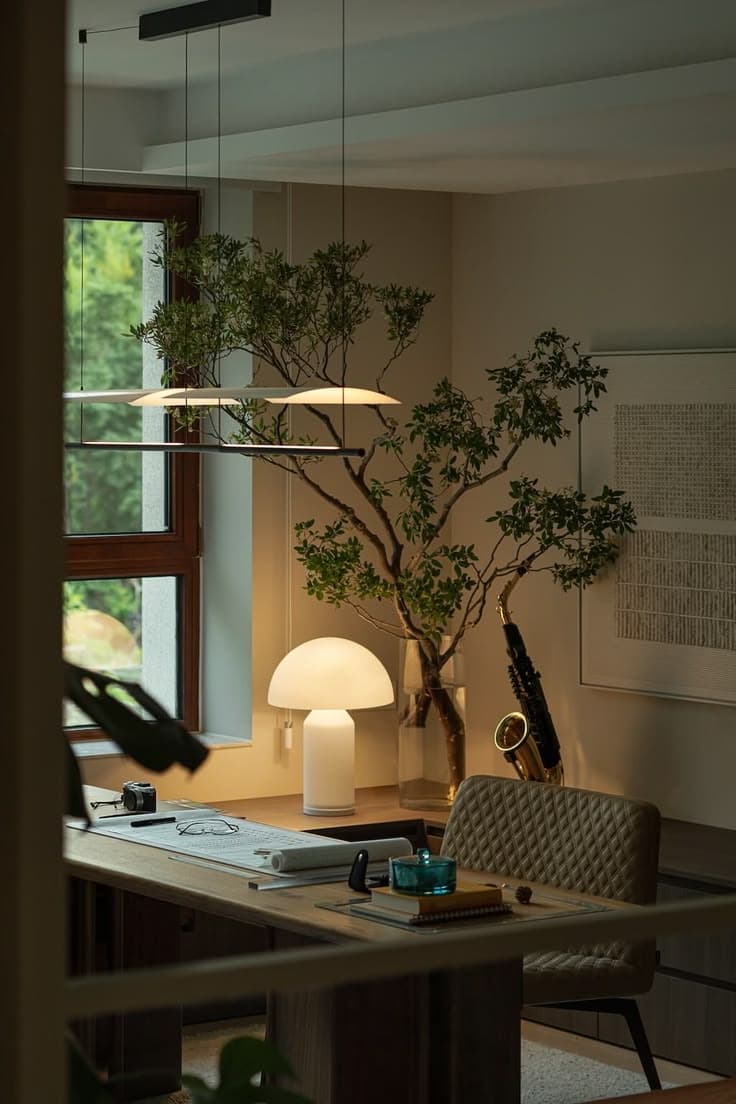
Rosebank, Johannesburg, with a Cape Town base by appointment.
Three years, four
disciplines, one practice
Web, apps, UI/UX and graphic design run as a single sequenced practice, with specialists brought in at the edges and the transfers between disciplines treated as the actual product.
- Based in
- Johannesburg, ZA
- Practising since
- 2023
- Disciplines
- Web · Apps · UI/UX · Design
- 3 yrs
- Designing and building for web and mobile
- 40+
- Sites, apps and interfaces shipped since 2023
I make things that are quiet on the surface and precise underneath.
I started in 2023 at a kitchen table with a laptop, a domain and a great deal of unpaid work for friends. The first paying client was a coffee roaster who needed an online store in nine days. It went live on the ninth day, slightly crooked, and I have been reasonably obsessed with process ever since.
What I do now sits across four areas that most people treat as separate professions: web development, app development, UI/UX design, and brand and graphic design. The honest objection is that a specialist would be better at any one of them. My answer is that I sequence rather than juggle. One discipline holds the foreground for a block of weeks while the others sit in review, and I bring in people who are better than me wherever cross-disciplinary judgement is not the value.
The real argument for working this way is the transfer. A self-initiated year of ninety-nine interface studies produced the component library now sitting underneath two commercial products. Designing packaging taught me more about typographic hierarchy on a small screen than any product course, because both are ultimately about deciding what the eye finds first. And building the thing I designed means I stop drawing interfaces that are expensive to render.
Clients tend to be founders launching something they intend to keep, retailers moving off a marketplace onto their own storefront, and teams with engineering capacity and no senior design voice. Recent work has shipped from Johannesburg to Cape Town, Berlin, Tokyo and Mahé.
Outside the work: long drives on the coastal passes, a record collection that has outgrown its shelving twice, and an ongoing argument with myself about whether any site really needs that much JavaScript.
Six rules I will not quietly negotiate away
- 01
Say the uncomfortable thing early
If I think a brief is pointed at the wrong problem, I say so in the first meeting, then do the work anyway if you still want it, with the disagreement written down.
- 02
One page before any code
Who this is for, what we are claiming, what we refuse to build. Signed off before anything gets made, so week nine has a referee that is not the loudest voice in the room.
- 03
Ship it where you can see it
You get a staging link in week one, not a reveal in week nine. Everything looks good centred on a slide, which is precisely why nothing should be judged there.
- 04
Published prices, dated schedules
The numbers are on the site before you email me. There will never be an invoice for something we did not agree in writing first.
- 05
Hand over everything
Source files, the repository, the infrastructure, the documentation. If you need me to change a heading in eighteen months, the handover failed.
- 06
Performance is a design decision
Every font weight, hero video and third-party script is a choice somebody made. Made deliberately, on a budget enforced in CI, rather than discovered at launch.
How a project actually runs, start to finish
The specifics vary by discipline (an app involves sprint reviews, a website involves staging links), but the shape is the same every time, and you will always know which phase we are in.
- 01
Listen properly
Every project starts with questions rather than references. What changed, what is at stake, and what would make this a waste of money.
- 02
Agree one page
A single page of scope gets signed before anything is designed or built. It settles arguments in week nine before they happen.
- 03
Ship it early
You get a staging link in week one and a working build every fortnight, rather than a reveal at the end that nobody can respond to.
- 04
Hand it over completely
Source files, repository, infrastructure, documentation, training. The measure of the work is what you can do with it after I leave.
Each service page sets out the phases and timeline in detail, and every package is priced on the pricing pages.
How the practice got here
- 2023
Started out building sites at a kitchen table
A laptop, a domain and a great deal of unpaid work for friends. The first paying client was a coffee roaster who needed an online store in nine days. It went live on the ninth.
- 2024
First product build rather than a website
A booking platform for a travel company taught me that the hard part is never the code. It is deciding what version one is not allowed to include.
- 2025
The studio in Rosebank
A permanent space, a device lab for testing on the phones people actually own, and clients who wanted to sit in a room and argue about a flow before it got built.
- 2025
Fragments, and what it changed
A self-initiated year of ninety-nine interface studies produced an open-source component library now sitting underneath two commercial products.
- 2026
Hosting and care plans
Too many rescued sites had the same story: fine on launch day, then eighteen months of nothing. Care plans put maintenance on a schedule instead of a crisis.
- 2026
Four disciplines, one practice
Web, apps, UI/UX and graphic design running as a single sequenced practice, with the transfers between them treated as the actual product.
What I actually do, in plain terms
Anything not on this list gets handled by a specialist I have worked with: large-scale native mobile, data engineering, penetration testing, high-volume retouching. Knowing where competence ends is more useful than stretching it.
- Web development
- Next.js
- React
- TypeScript
- Tailwind CSS
- React Native
- Expo
- Progressive web apps
- Node & API design
- PostgreSQL
- Supabase
- Shopify
- Headless CMS
- UI design
- UX research
- Design systems
- Prototyping
- Accessibility (WCAG 2.2)
- Performance engineering
- Technical SEO
- Brand identity
- Graphic design
- Packaging
- Managed hosting
- CI/CD
- POPIA compliance
Where the work gets made
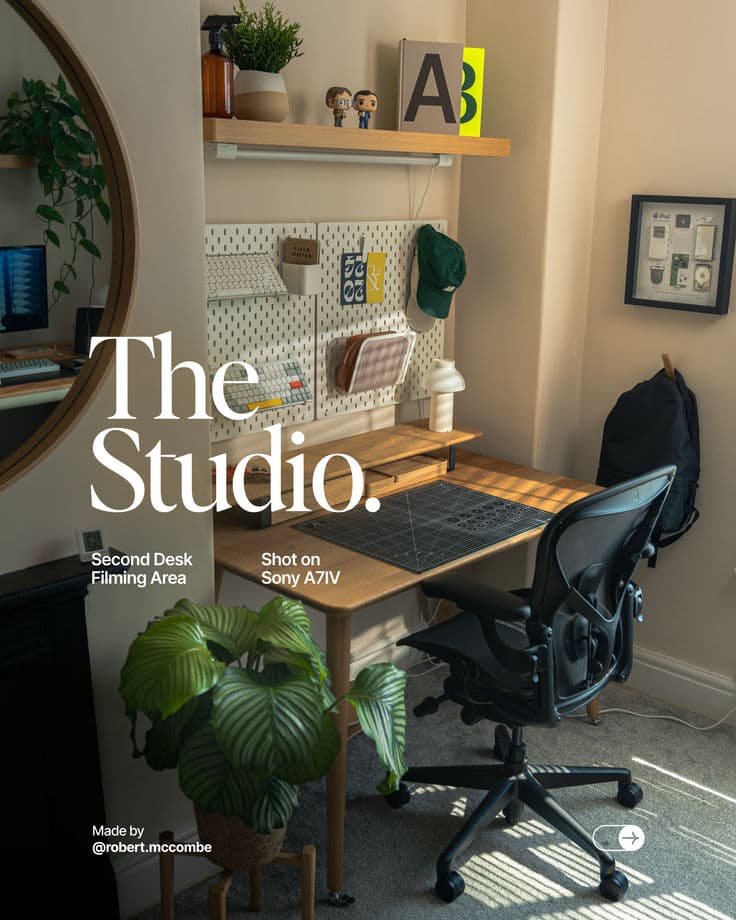
A print archive on one wall, a device lab of the phones people actually own on the other, and enough desk to run a review session properly. Visitors welcome by appointment.

Ways we can work together
All services- Web Design & DevelopmentMarketing sites, portfolios and online stores: designed, built and handed over ready to run.
- App DevelopmentWeb apps, progressive web apps and cross-platform mobile builds, from MVP through to a product you can staff.
- UI/UX DesignResearch, flows, interface design and design systems for teams who need the product to make sense before it gets built.
- Brand & Graphic DesignLogos, identity systems, decks, social templates and print: the visual layer that keeps everything looking like one company.
- Hosting, Care & SupportManaged hosting, backups, updates, monitoring and a monthly block of change hours, on four plans you can compare side by side.
- Digital Consulting & WorkshopsTechnical and design reviews, roadmap support and team workshops for organisations building digital capability in-house.
Client
satisfaction
I've worked with Bonolo for over a year now, and it's hands down the best technical partnership I've had. Nothing arrives late and nothing arrives half-thought.
If any of that sounded like the way you'd want a project run, let's talk.
Tell me what changed recently that made this feel urgent. That is usually the most useful thing you can put in a first email.
Studios
Journal subscription
Bonolo Mathabela · Designer & Developer · bonolomathabela.com